Love in the Estuary
By Capt. Olivia
It’s almost Valentine’s Day, and there is romance to be found in the estuary. Spring is just around the corner, and with it comes mating season. Not all species reproduce in the spring, but many of them benefit from aligning with the influx of sunshine, warmth, food, and nutrients that is about to happen. The marsh becomes a stage for a wide spectrum of courtship rituals and mating displays. Let’s dig into a few of the most common and noticeable mating behaviors that we see in the salt marsh on our tours.
Osprey
Osprey may have discovered the secret to a long-term relationship: they take the winter off. The many osprey nests in the marsh have sat empty all winter, but these birds will soon begin to return to the same nests where their chicks fledged from last summer. After spending the winter months apart—often thousands of miles away—the same pair will return to their tried and true nest to prepare the nest for eggs and settle in together for the season. The committed partnership is mutually beneficial: both adults invest heavily in nest defense, chick care, and fishing duties and are rewarded with a very successful fledging rate. Once the young are independent and the hard work is done, it’s back to solo adventures until next year.
Bald Eagles
In contrast to the stability of the osprey, bald eagles live for the drama. When choosing a mate in the winter, they sometimes perform what is known as a “death spiral”, often above the winding creeks of the marsh. This involves a pair flying high together, clasping talons midair, and tumbling toward the ground in a spinning freefall before releasing at the last moment. This breathtaking behavior is thought to strengthen pair bonds and demonstrate trust, coordination, and physical fitness. In addition to testing out a new potential mate, this behavior can sometimes be used to settle territorial disputes. Bald eagles are a bit of an outlier and nest in the winter, so this behavior is most commonly seen from December through February.
 Fiddler Crabs
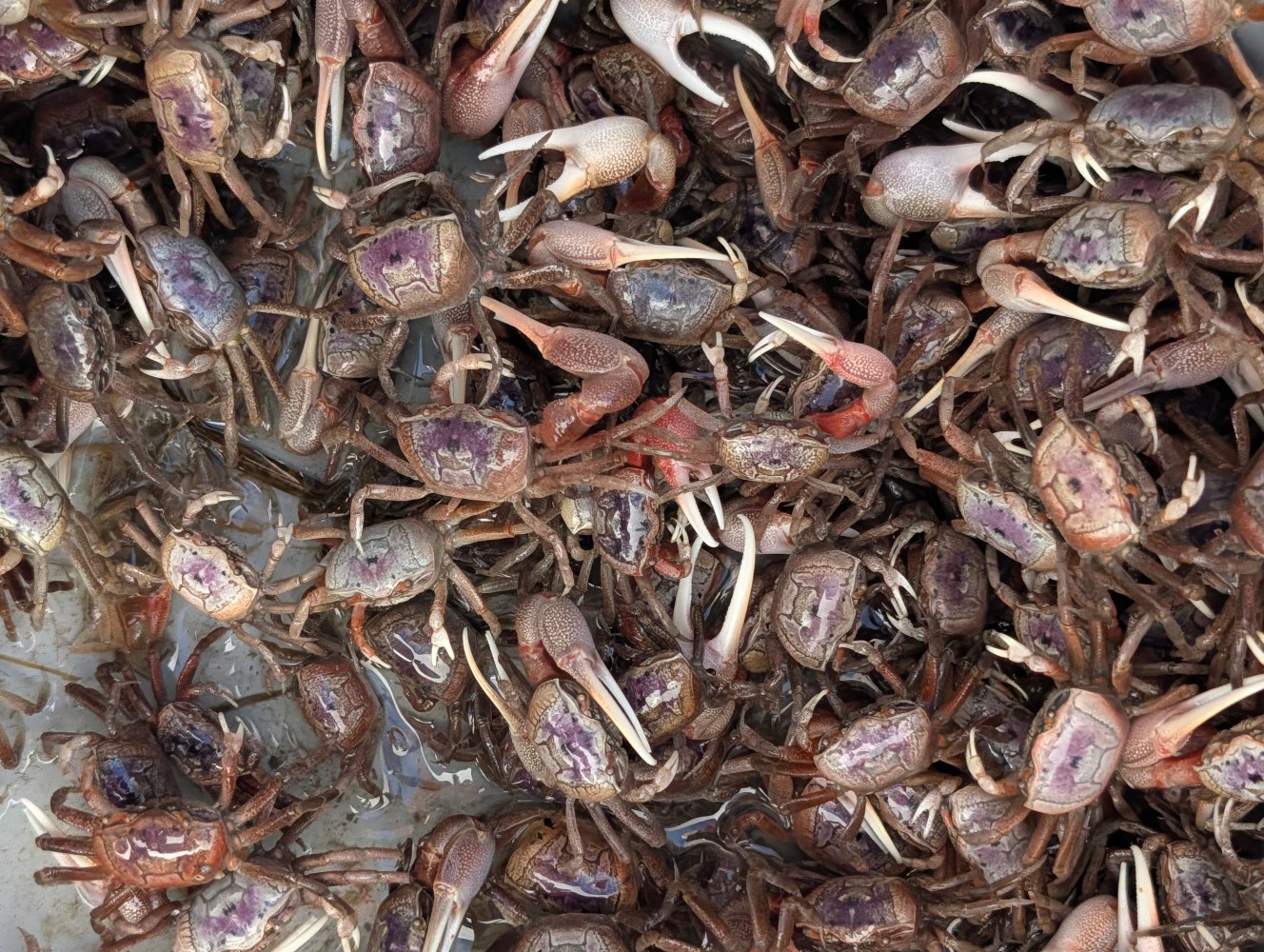
The mating displays of fiddler crabs are much smaller than the bald eagle’s performance, but arguably an even more extreme example of woo-ing a mate. Male fiddler crabs are abundant on our mud flats, and are easy to spot due to their one oversized claw which they frequently wave enthusiastically in the air to attract females. That claw is a signal to a potential mate: “Look at my giant claw! I’m strong and healthy and good at finding food. That’s why my claw is so big, and your offspring from me will be strong and healthy too”.
The reason the claw works as a signal is because it is also a sacrifice. Growing and maintaining a large claw requires more energy than a small one, and males with the largest claws become targets for predators and competing males. Critical daily tasks like hunting, digging, and walking around become more difficult with an extra large claw. They must be able to back up this signal every day by actually being strong, healthy and successful – creating an honest signal that females can generally trust to indicate a good mate. This is a theme that tends to hold true throughout the natural world – successful courtship depends on signals that are costly, visible, and hard to fake.
Lovebugs
Then there are love bugs, whose approach to romance is brief, intense, and impossible to ignore. Once a year, usually in late spring, they appear in huge numbers, looking like they have two heads. The two insects can remain linked for days as they mate, which increases the male’s chances of reproductive success by preventing competitors from stepping in. While they don’t rely on the salt marsh the way ospreys or fiddler crabs do, love bugs are part of the broader coastal ecosystem we notice during tours—especially when they start landing on boats, docks, and unsuspecting visitors. Their synchronized emergence and conspicuous pairing make them one of the most visible reminders that spring has arrived.
These examples truly just scratch the surface of the variety of mating behaviors that have evolved in nature. Come explore the marsh with us to see even more!