Why research matters for sustainable fisheries (Pt. 1:4)
By Capt. Weatherly
This month we will be highlighting fisheries and the role that scientific research plays in creating sustainable fisheries and seafood.
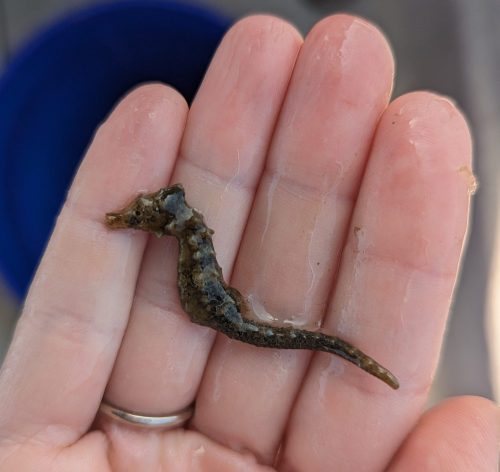
A few years ago we published a picture of a seahorse that was caught in a scientific research trawl then released. The picture received a few comments about how irresponsible it is to catch delicate animals. This got me thinking – public awareness of how and why these studies occur can be limited unless a person goes looking for the answer. (As with much of life!) This is the first of a several part series diving into the why, how, challenges, and importance of local fisheries research. We’ll start broad and have several case studies. We will also include links to more reading opportunities at the end.
In order to better protect a species and it’s habitat, scientists need to be able to conduct hands on assessments and experiments. The most effective way to learn about a fish population is to – you guessed it – catch them. Researchers use the best possible gear for their target species, but inevitably catch other species (known as bycatch). Our seahorse was caught in the Charleston Harbor in a trawl targeting fish. I snapped a quick picture and released it as soon as we saw it in the net. One comment suggested that keeping it out of water for a photograph was cruel. I saw an opportunity for education. Many people don’t know that we have seahorses in the Harbor! In situations like this the goal is always the same: remove the animal from the gear as quickly and gently as possible and return it to the water. If it needs a moment to recover, give it that time. We can’t prevent every individual from being caught, but we can help ensure it survives to reproduce.
Public education and support is critical in the world of conservation and sustainability. When we connect with something and care about it we are much more likely to work to protect it.
Are there times scientists keep animals or knowingly do things that may stress an animal?
Yes, although scientists try their best to limit stress as much as possible. This brings us to our first Case Study: Sharks.
Catching a shark (or any animal) inherently creates stress. Sharks build up lactic acid while fighting on a fishing line. The longer they fight and the warmer the water, the more lactic acid buildup and energy reserves they burn. Even if a shark is immediately released and swims away, many die in the following hours. Survivors can feel the effects of stress for days. Imagine running a marathon for your life then immediately being dropped off somewhere and having to hike home, while having to choose between conserving your energy or digging deep to chase down a snack because your reserves are gone. It’s a tough place for them. Studies have documented extremely high at-vessel and post-release mortality rates in Great Hammerheads, sometimes exceeding 90%. That vulnerability is precisely why understanding their physiological response to capture is so important.
Why are sharks specifically susceptible to overfishing? They are a K-selected species, meaning that they are slow to grow, have a late maturity age and produce relatively few offspring in a lifetime. Let’s continue to consider the Great Hammerhead. They reach maturity between 5-9 years old and reproduce once a year. Great Hammerheads among others are targeted for shark fin soup. You can imagine the time it would take a population to recover from overfishing, and Great Hammerheads are currently listed as critically endangered with a declining population. (We will talk about the challenges of removing an apex predator in another article!) Compare this to a shrimp that completes it’s whole life cycle in less than two years. The shark and shrimp fisheries are very different to manage!
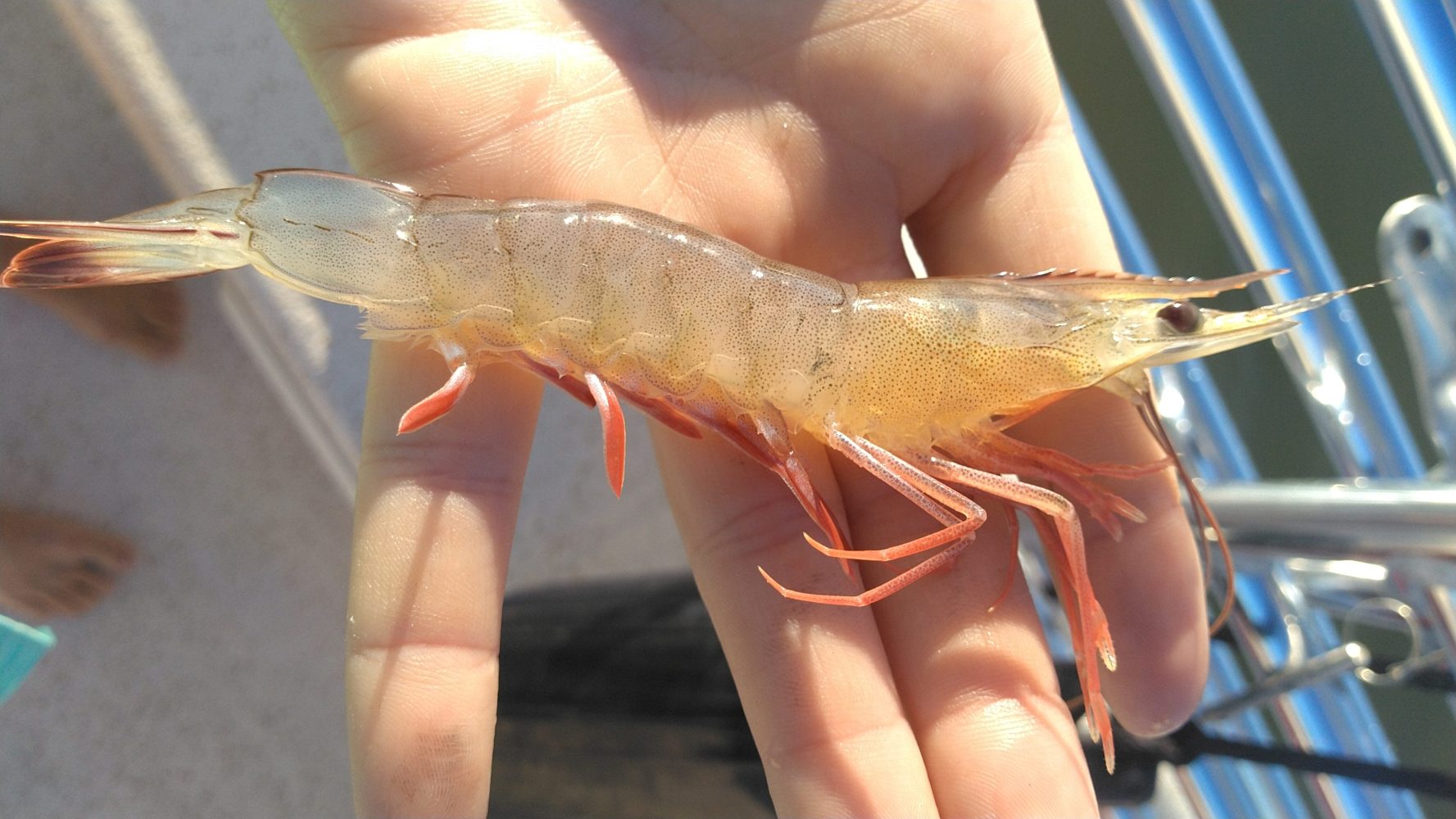
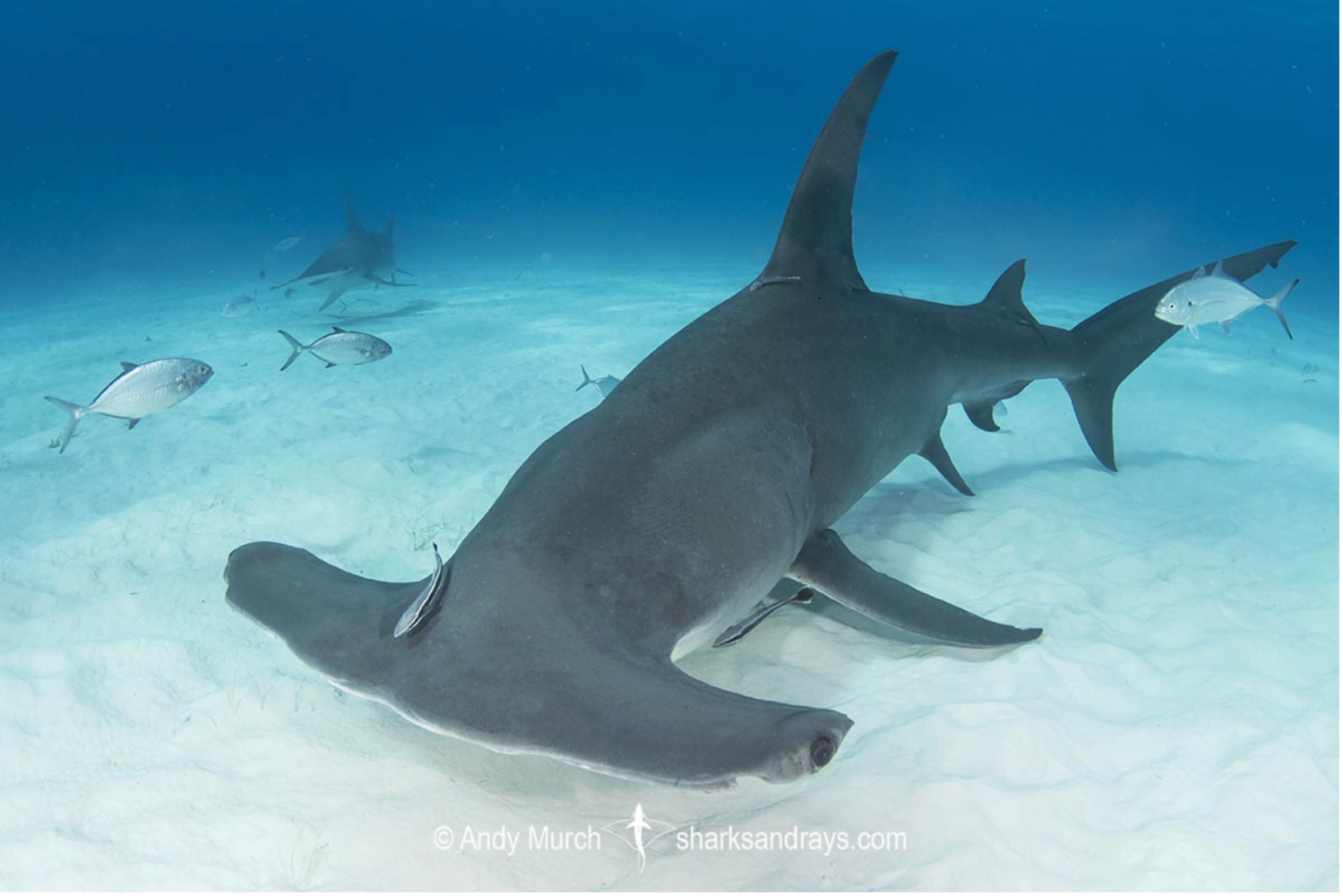
You’re probably now wondering why scientists purposely catch these animals knowing the dangers. Not all species respond the same. Nurse sharks are significantly less affected by being caught than Great Hammerheads. Knowing the physiological response to hook and line fishing helps scientists advise legislators and push for protections on particularly vulnerable species. This principle expands across all fisheries. Fisheries can be opened and closed to reduce risk of bycatch or target a specific size (think size and catch limits for recreational fishing, more on this later). And then there’s research so that we can better understand a species and how it interacts with it’s environments.
The risks are always carefully considered to determine if the knowledge gained is worth it. Researchers take every precaution to reduce stress and to increase survival odds. Does this make it less controversial? No! But sometimes it is necessary to learn how to better protect a species. Sustainable fisheries require hands-on science – and sometimes that looks uncomfortable.
Next up we will explore blue crabs and how researchers have found ways to monitor and protect their local populations.
Extra reading:
Morgan, A., and Burgess, G. H. 2007. At-vessel fishing mortality for six species of sharks caught in the Northwest Atlantic and Gulf of Mexico. Gulf and Caribbean Research, 19: 123–129.