What Makes South Carolina a Fossil Hotspot?
By Capt. Olivia
The Lowcountry of South Carolina is known for its beautiful scenery, but it’s also one of the most accessible fossil-hunting regions on the East Coast. What makes it such a “fossil gold mine” comes down to a rare combination of geology, geography, and human activity.
This landscape is built on layers of marine sediment deposited over millions of years. During the Miocene Epoch and Pliocene Epoch, much of what is now coastal South Carolina was underwater. Rivers carried sediment to the coast, where it settled along with the remains of various marine life: sharks, whales, rays, and more. Over time, these layers compacted into fossil-rich deposits and preserved a dense fossil record.
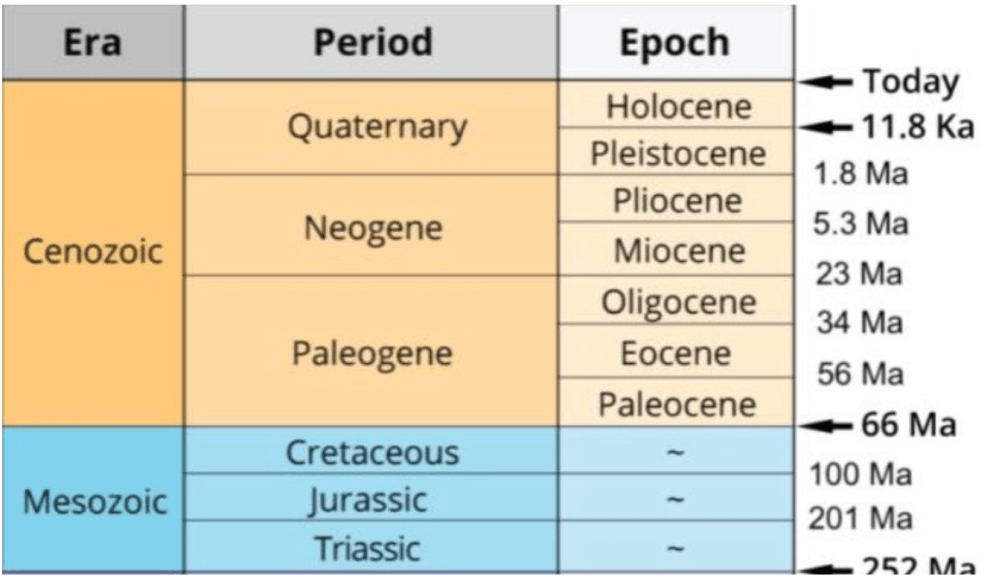
One of the most important of these is the phosphate-rich “Ashley Formation” – a dense, fossil-packed sediment layer that sits surprisingly close to the surface around Summerville. In some spots, it’s just a few feet down or even exposed outright, making it one of the easiest places in the country to access Oligocene-era fossils. This is why Summerville is famous for land-based fossil hunting, especially for shark teeth weathering directly out of that limestone.
Closer to the coast, the story shifts from buried layers to constant exposure. Beaches and barrier islands like Folly Beach, and Morris Island are actively eroding. Tides, waves, and storms cut into older sediments and redistribute fossils into the surf zone. After a rough day, it’s not unusual to find shark teeth, ray plates, vertebrae, or even larger bone fragments scattered along the high tide line.
Human activity adds another layer to this process. Dredging projects (e.g. maintaining shipping channels into Charleston Harbor, beach renourishment projects) pull up buried layers of sediment and redeposits it above ground. That material often comes from fossil-rich layers, effectively “mining” the seafloor and spreading its contents across accessible shorelines.
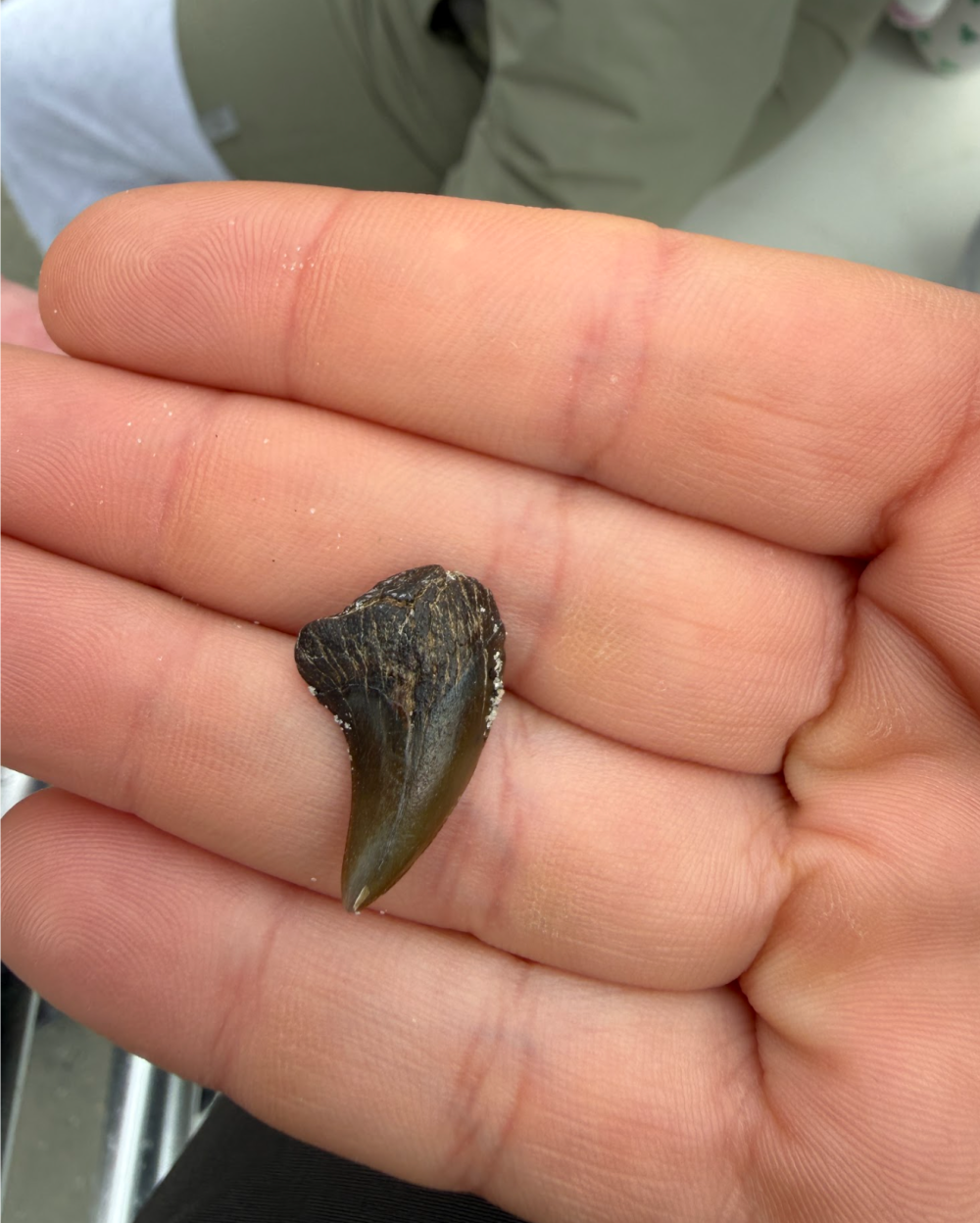
Add in the region’s high phosphate content (ever wondered where the name Ashley Phosphate Road comes from?), which helps preserve fossils and gives them their characteristic dark coloration, and you end up with an environment where fossils are well preserved and constantly being revealed.
In some places, finding fossils requires tools, dedication, and hard work. In the Lowcountry, all it takes is good timing and a walk on the beach. Join us for a Morris Island Fossil tour to find shark teeth of your own, and check out our guide to finding shark teeth for more information!